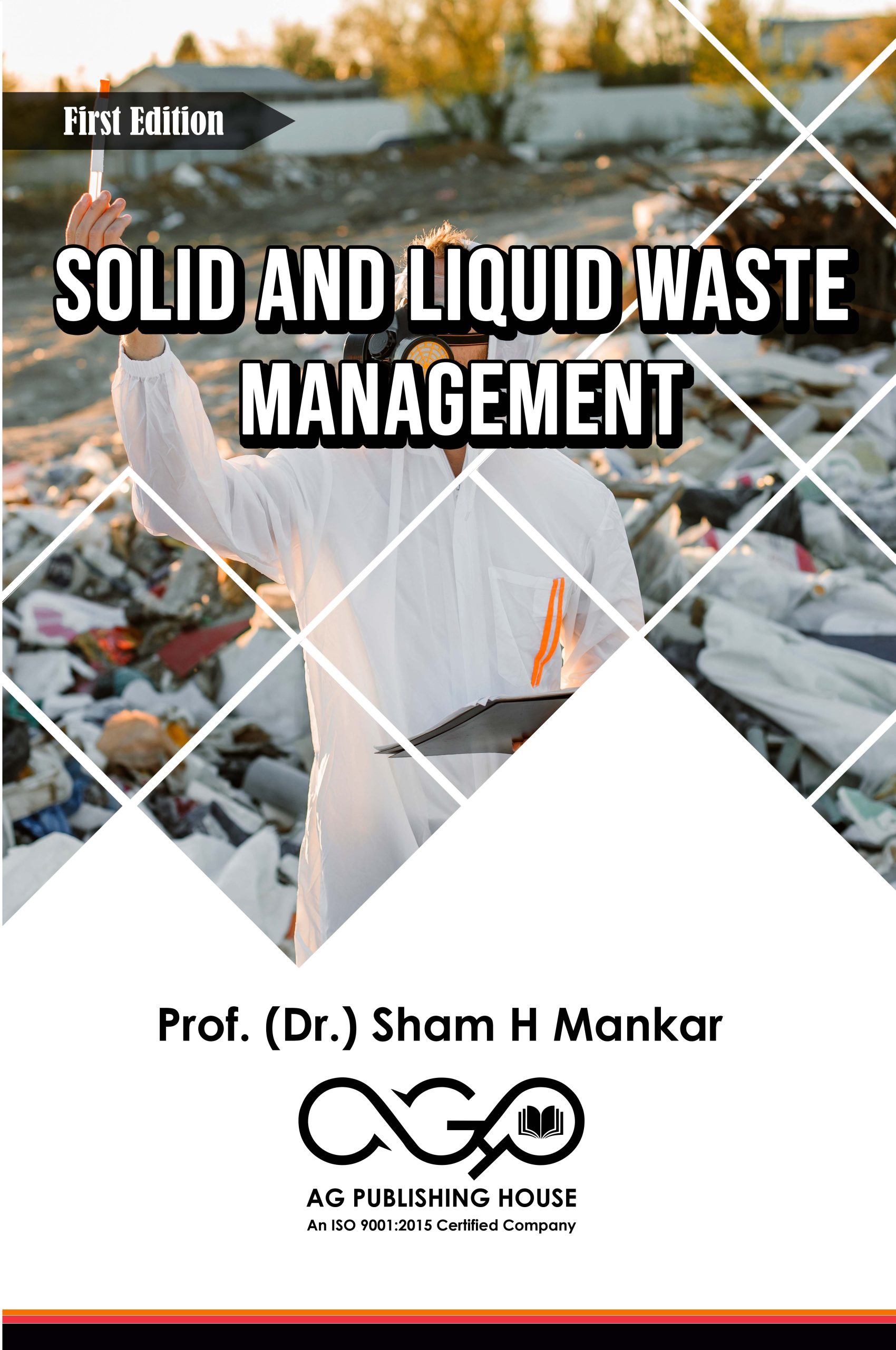
Waste management professionals now face a more complex challenge than ever before in collecting, transporting, treating, and disposing of solid waste, especially that which is produced in large and medium-sized metropolitan centers. In economically developing nations, where money, people, and other vital resources are already limited, the issue is magnified. By providing professionals in developing countries and those from industrialized countries that may be identified as upon to provide assistance with waste management, objective, reliable, and helpful information can be provided to help alleviate some of the challenges that exist in this area. Rapid growth in production and consumption means that civilizations routinely produce and discard solid items from all walks of life, including agriculture, commerce, household, industry, and government. The massive amount of trash created and thrown away in this way is known as solid wastes. To rephrase, "solid wastes" refer to the worthless or undesired materials that are often solid in nature and result from human and animal activity. Natural resources will be strained to the breaking point, severely impeding effective and sustainable growth. This book focuses on one strategy for salvaging the situation: effective management of solid wastes.