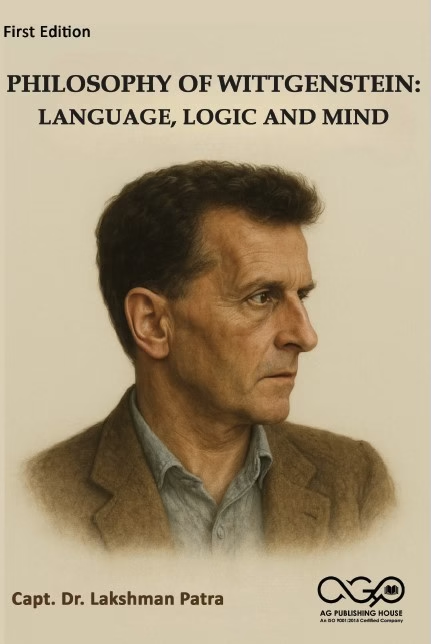
Philosophy of Wittgenstein: Language, Logic and Mind offers a compelling journey through the intellectual landscape of one of the most enigmatic and influential philosophers of the twentieth century. Meticulously structured across eight chapters, this book traces the arc of Ludwig Wittgenstein’s thought from the precision of his early logic to the depth and subtlety of his later explorations into language and mind. Beginning with a vivid portrait of Wittgenstein’s formative years, the book explores the influence of key figures, like Frege and Russell, setting the foundation for his ground-breaking Tractatus Logico-Philosophicus. Here, Wittgenstein's picture view of language and his views on logic, representation, and the ineffable are examined with clarity and critical insight. The narrative then shifts to the dramatic transformation in his later philosophy, marked by his rejection of earlier positions and the development of new concepts such as language games, rule-following, and the use of language in practice. These ideas form the core of his Philosophical Investigations and represent a radical rethinking of meaning, understanding, and communication. The book further delves into Wittgenstein’s innovative philosophy of mind, where he challenges Cartesian dualism and reframes mental phenomena in behavioural and linguistic terms. The final chapters evaluate his lasting impact on analytic philosophy and the ongoing debates his work continues to inspire. Written for students, scholars, and curious thinkers, this book offers a lucid, engaging, and comprehensive guide to Wittgenstein’s philosophy making complex ideas accessible while honoring their depth and significance.