
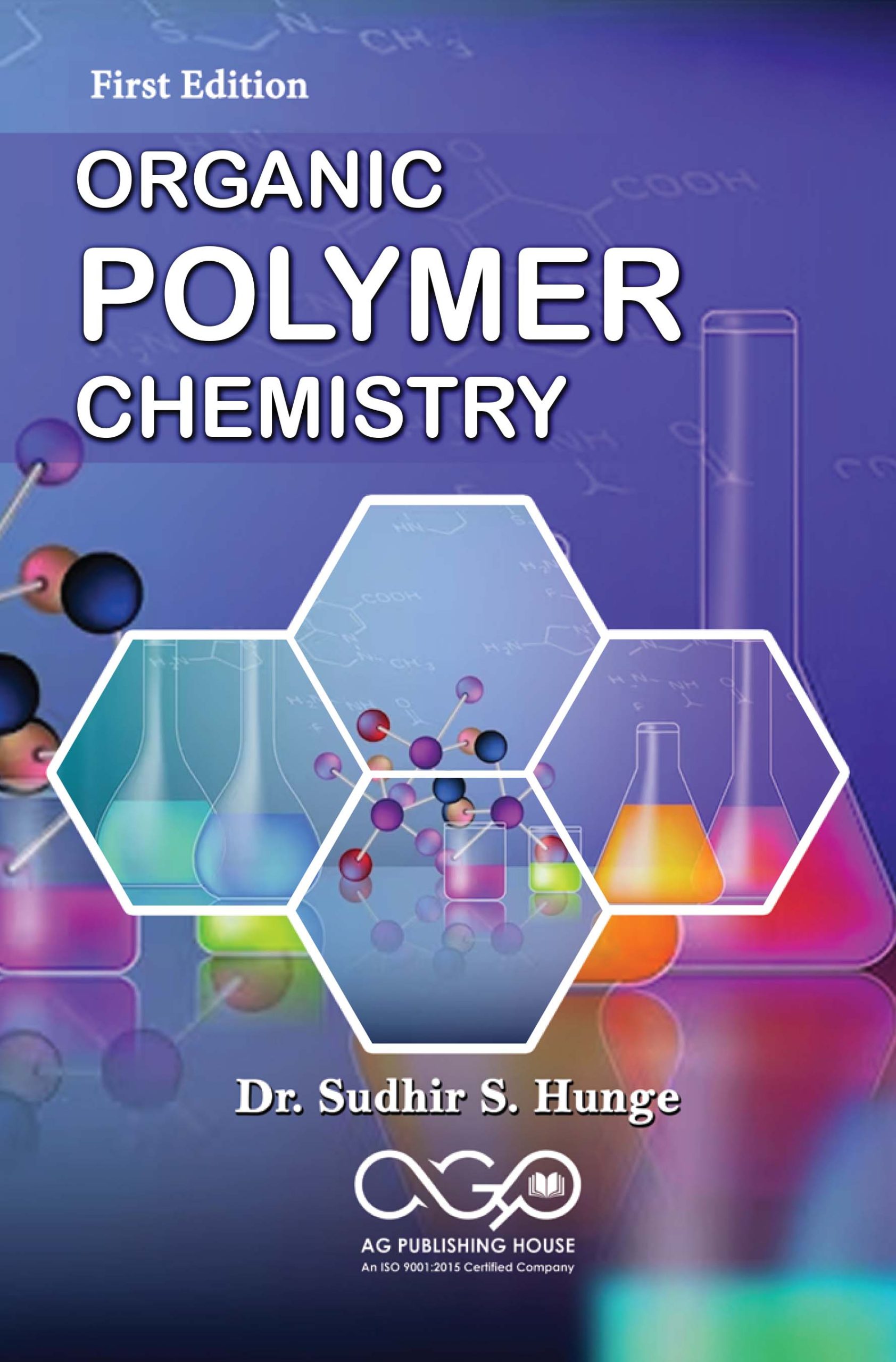
Organic Polymer Chemistry
No reviews yet
₹465.00+ Delivery Charge
Order now for delivery in 6 to 7 days
1

Premium Quality

Fast Shipping
Best Price
Description
Materials composed of lengthy, repetitive molecular chains are known as polymers. The materials' characteristics are dependent on the bound molecules' types and types of bonding. Polymers such as rubber and polyester may be bent and stretched. Some, like glass and epoxies, are very hard and durable.
The almost endless applications of polymerization are what make polymers so valuable to businesses and industries, according to scientists and manufacturers like us. It is possible to synthesize polymers with different degrees of biodegradability, flexibility, and hardness, among many other properties. Lighter automobiles and insulated structures are two ways polymers help us conserve energy. Other ways polymers are useful include packaging consumable items, reducing land usage and fertilizers with synthetic fibers, preserving other materials with the coatings, and saving lives via many medicinal uses.
Life cycle assessments (LCAs) and polymer chemistry have attracted a lot of attention in the field of polymer thermodynamics. The enormous use of polymer electrolyte membranes in the gas cells has led many to believe that these membranes are fundamental to sustainability. A hydrogen gas mobileular known as the "polymer electrolyte membrane" (PEM) gas mobileular can instantly transform hydrogen and oxygen into electricity, water, and waste heat—all without the harmful gasses produced by conventional internal combustion engines. Compact construction, low working temperature, fast startup, long operating life, and pollution resistance are some of the advantages of using PEM to sustain gas cells.
Product Details
No. Of Pages:222
ISBN:978-81-969714-2-7
Subjects: Chemistry
Shipping Details
Weight: 0.35 kg
Length: 23.00 cm
Width: 15.00 cm
Height: 2.50 cm
About the Author

Customer Reviews
(0)No reviews yet for this product.