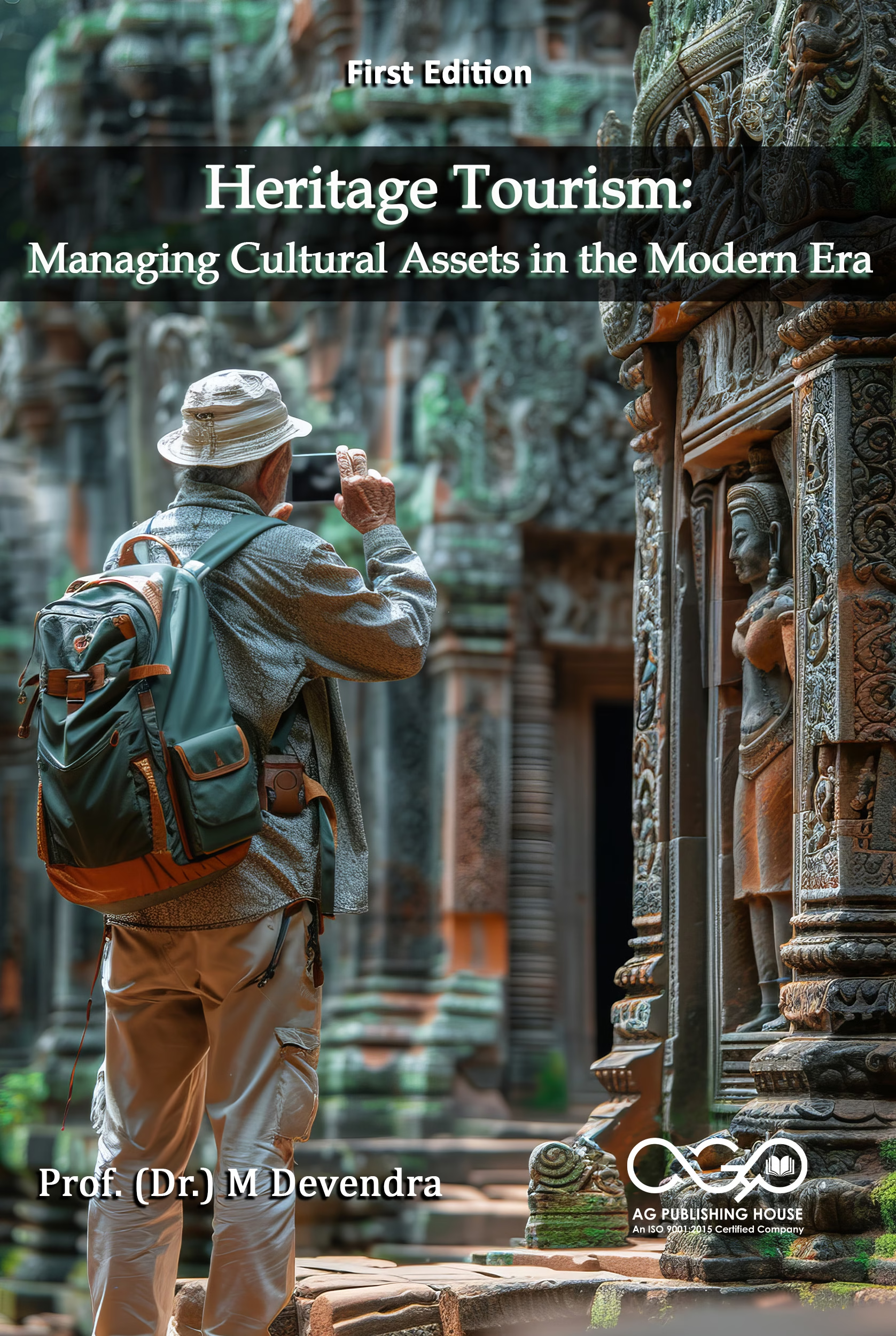
Heritage Tourism: Managing Cultural Assets in the Modern Era provides a comprehensive examination of how cultural heritage can be preserved, interpreted, and utilized within the contemporary tourism industry. As cultural tourism continues to grow globally, this book addresses the pressing questions surrounding sustainability, authenticity, and the role of local communities in managing their heritage assets. Divided into thematic sections, the book covers a wide range of topics including policy frameworks, digital innovation, community-based tourism, conservation practices, and the economic implications of heritage tourism. It delves into real-world case studies from diverse regions ranging from UNESCO World Heritage Sites to lesser-known indigenous and vernacular heritage locations offering valuable insights into both challenges and best practices. The book also engages with critical debates around the commodification of culture, the impact of mass tourism, and the ethical responsibilities of stakeholders. It explores how new technologies like augmented reality, digital archiving, and virtual tourism are transforming the way we engage with heritage. Designed for a broad audience including students, researchers, tourism professionals, urban planners, and cultural policymakers, this book bridges the gap between theory and practice. It emphasizes a multidisciplinary approach, integrating perspectives from anthropology, architecture, economics, and environmental studies. Ultimately, Heritage Tourism: Managing Cultural Assets in the Modern Era offers readers the tools and frameworks necessary to understand and navigate the complex terrain of heritage tourism today, ensuring that cultural treasures are not only preserved for future generations but also made relevant and accessible in the present.